Clinical and physician-branded skincare

Build a clinically credible skincare line your practice owns, defined by use case, not a better-looking label.

Credibility can't be bolted on after the formula is fixed. Set the intended use, the claims boundaries, the sample criteria, and the economics while the product can still change.

Ph.D.-led strategyProduct brief before supplier commitmentBusiness case, sample, and market connected
Ph.D. in Molecular Medicine Harvard Medical School postdoctoral research MBA in Healthcare Transformation Science + R&D + manufacturing + commercialization

Clinical credibility cannot be added after the product is already fixed.

Intended use, evidence, claims boundaries, price, and channel all shape a credible product. Decide them after the formula and the supplier are locked, and you are negotiating against your own product.

Intended use, evidence, claims boundaries, price, and channel all shape a credible product. Decide them after the formula and supplier are locked, and you are negotiating against your own product.

Clinical skincare projects scatter fast. A formulator here, a lab there, a packaging vendor, a marketer. Each optimizes its own piece, and no one is left protecting the original product case.

Launch Lab writes one brief that keeps the use case, the product experience, the sample review, the economics, and the claims questions connected across every specialist.

Define the clinical or professional use context.

Clarify who the product is for, where it fits, and the problem it is meant to address, without overpromising an outcome.

Translate insight into a product brief.

Set texture, format, packaging, differentiation, target cost, and the criteria a sample actually has to meet.

Plan claims and evidence questions early.

Surface the claims boundaries, the substantiation, and the testing questions for qualified regulatory and legal review before they become expensive surprises.

Build for commercial fit.

Connect cost, price, channel, margin, and packaging before you scale.

Clinical skincare development should begin with the use case, not the supplier catalog.

Catalog or formula-first

The product is selected before the clinical and commercial brief is complete.

You then try to build differentiation, claims language, and a price around whatever is already on the shelf.

  • Use case and claims questions come late
  • Sample review lacks written criteria
  • Packaging carries too much of the differentiation
  • Economics are discovered after product selection

Clinical product-development route

The intended use and product thesis guide the work.

One brief gives formulation, testing, packaging, regulatory, and commercialization partners the same decision framework.

  • Use context and customer defined first
  • Product experience and sample criteria documented
  • Evidence and claims questions surfaced early
  • Economics and go-to-market developed in parallel

One business case across every handoff.

Demand, product, sample, and market decisions are developed together so a late-stage choice does not undo the work that came before it.

Validate the opportunity

Define the customer, repeated need, channel advantage, target economics, and strategic reason the product should exist.

Define the product

Translate the business case into a target product profile with format, experience, performance intent, differentiation, and constraints.

Prove the sample

Evaluate samples against the brief, not against what happens to be easiest for a supplier to provide.

Prepare the market

Connect the selected direction to pricing, positioning, partners, launch sequencing, proof, and decision gates.

The product needs a brief that can survive every specialist handoff.

The working set gives each partner clear criteria while keeping the customer, product, evidence, economics, and market connected.

Clinical Product Opportunity Brief

Customer, professional use context, category, product role, commercial job, and decision boundaries.

Skincare Target Product Profile

Texture, format, sensory experience, performance intent, packaging constraints, target cost, and sample criteria.

Sample Iteration Plan

Review rounds, comparison criteria, feedback structure, revision priorities, and decision gates.

Claims & Evidence Map

Potential claims directions, substantiation questions, testing needs, and issues for qualified review.

Partner & Manufacturing Criteria

Capabilities, documentation, quality questions, packaging compatibility, minimums, and scale considerations.

Clinical Commercialization Plan

Positioning, channel, professional education, proof plan, launch sequence, and milestones.

Product proof should show the decisions behind the skincare line.

The record behind the process

17×

The scientist-led process founders work through here was built on real operating experience, including scaling cGMP production 17× and cutting manufacturing cost by 45%.
Dr. Maryam Alavi / Founder, BiotechNmed Launch Lab

Why it matters to you

A scientist who has actually built and scaled products.

The same rigor that scaled cGMP production and cut manufacturing cost is applied directly to your formula, your documentation, and your path to market. You work with Dr. Alavi, not a handoff to a junior team.

A scientist-operator who understands the handoffs that make products expensive.

Dr. Maryam Alavi has worked across research, regenerative medicine, R&D, manufacturing, sales, business development, and commercialization. That breadth helps keep the product brief, sample decisions, economics, and market plan connected.
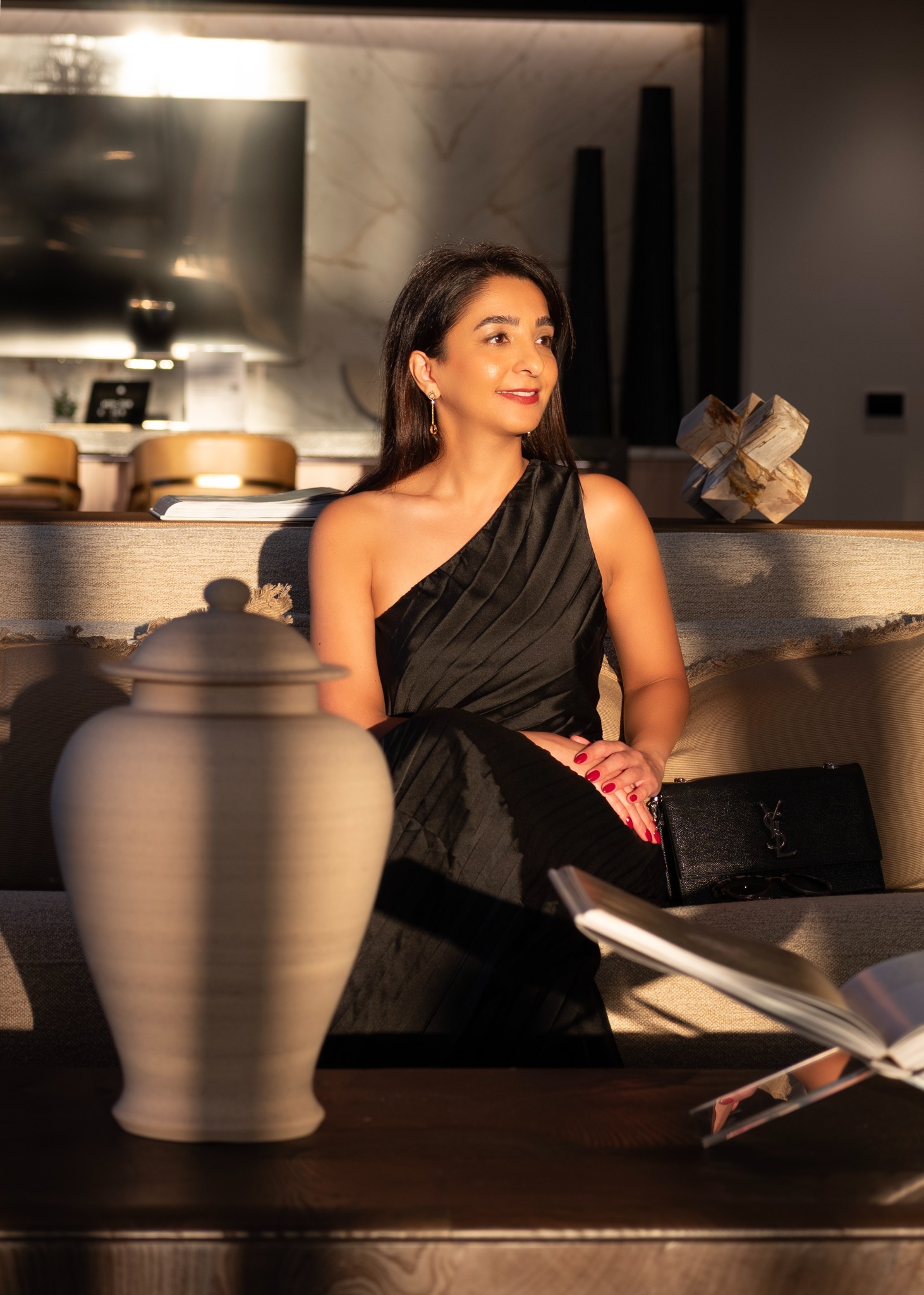
Dr. Maryam Alavi, founder and CEO of BiotechNmed

Why the operating range matters

Technical choices become business choices quickly.

A product can be perfectly feasible and still miss its cost target, its positioning, or its channel. Launch Lab is built to surface those conflicts before they harden into expensive commitments.

Scientific rigorResearch and product-development experience that informs feasibility and evidence questions.
Commercial judgmentExperience across sales, business development, partnerships, and go-to-market decisions.
Operating contextManufacturing and R&D experience inside the handoffs where cost and execution risk accumulate.
Founder perspectiveA woman-owned business built from the ground up, without treating commercialization as an afterthought.

A strong fit starts with an advantage you already have.

Strong fit

  • You already have customers, patients, an audience, distribution, or category authority.
  • You can name a repeated need, margin opportunity, or product gap.
  • You want a differentiated product rather than a catalog SKU with new packaging.
  • You can commit management attention and realistic development capital.

Not the right fit

  • You require guaranteed revenue, medical outcomes, approval, patentability, or valuation.
  • Your only goal is the fastest or cheapest generic product.
  • You do not yet have a clear customer, channel, or operating capacity.
  • You are unwilling to validate assumptions or revise the concept.

What decision-makers usually need to know.

No. Claims depend on the product, evidence, label, advertising, intended use, jurisdiction, and regulatory category. The process identifies questions and evidence needs for qualified regulatory and legal review.
Yes. The existing formula or proposal can be evaluated against the target product profile, sample criteria, economics, differentiation, evidence needs, and commercialization plan.
No. Launch Lab is a product-development and commercialization incubator. Manufacturing, specialized testing, regulatory work, legal work, and other regulated services may be performed by qualified external partners and should be defined transparently in the final scope.
You may enter with a repeated customer need, a product concept, an existing formula or prototype, a supplier proposal, or an in-market product that needs stronger economics, positioning, or commercialization logic.
Ownership of formulas, specifications, samples, documentation, third-party work product, and potential intellectual property must be defined in the final scope and contract. Patentability, freedom to operate, and legal ownership require qualified counsel.
No. The process is intended to improve decision quality, expose risk, and create a coherent product and commercialization plan. Regulatory status, claims, legal matters, financial performance, and commercial outcomes are not guaranteed.
Scope depends on product category, development stage, sampling requirements, third-party work, and commercialization complexity. A proposal is provided after the opportunity, constraints, and required work are understood.

Product Opportunity Assessment

Validate the opportunity before you fund the product.

Tell us what your customers need, what advantage the business already has, and what you want the product to accomplish. The first decision is whether the opportunity deserves deeper work.

The assessment is a fit and decision review, not a promise of formulation, regulatory status, patentability, medical outcomes, or commercial success.

Do not include patient names, medical records, or sensitive health information. By submitting, you consent to being contacted about this request. Review the Privacy Policy.